


Ancient Corinth: Where Greece’s Great Civilizations Converge
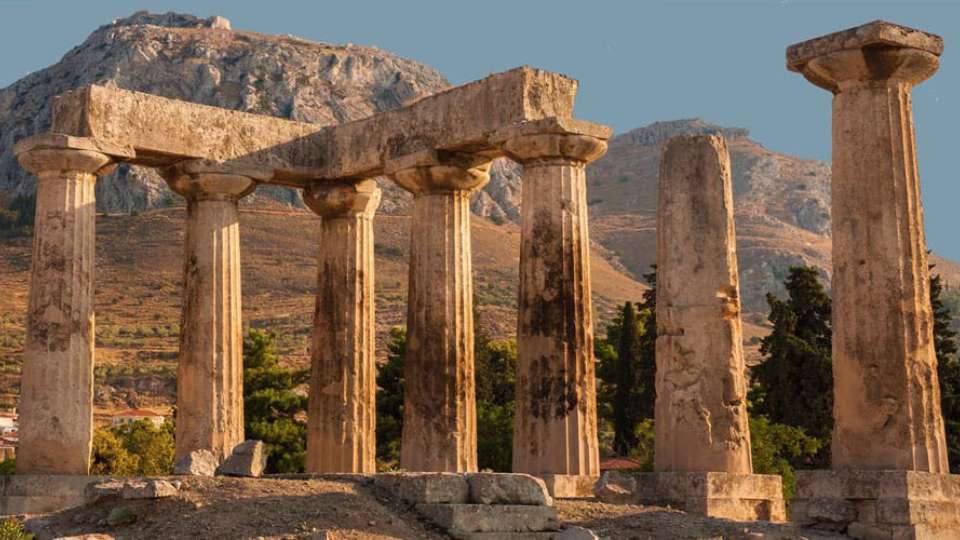
Ancient Corinth is a place that invites thought rather than spectacle. Unlike Greece’s more crowded archaeological sites, Corinth unfolds quietly — allowing visitors to engage with history at their own pace.
This was once one of the most powerful cities in the ancient world, positioned at a strategic crossroads between mainland Greece and the Peloponnese. Wealth, ideas, religions, and cultures all passed through here — leaving behind layers of history still visible today.
Walking Through Layers of Time
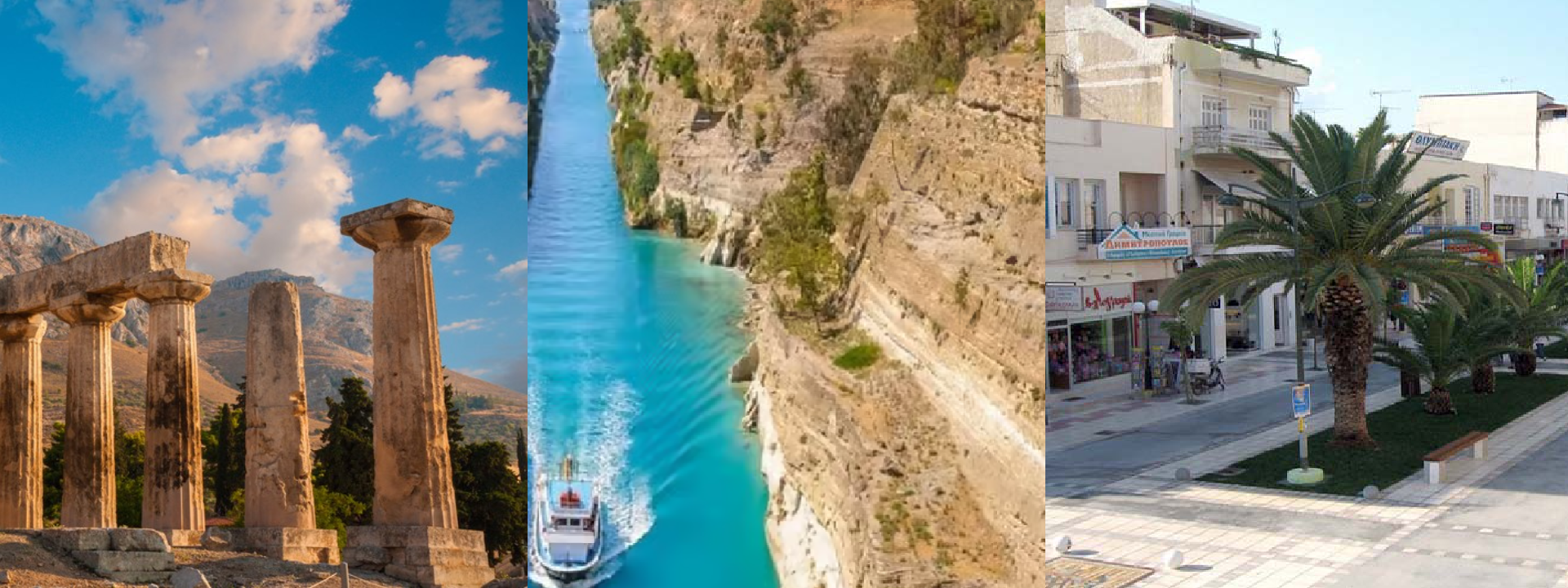
The archaeological site of Ancient Corinth reveals traces of Greek, Roman, and early Christian life. The Temple of Apollo stands as a reminder of the city’s ancient religious importance, while the Roman Agora reflects its later prosperity.
For many visitors, the Bema of Apostle Paul adds a deeper dimension. This is where Paul is believed to have spoken, connecting the site directly to the spread of Christianity across the Mediterranean.
Unlike busier destinations, Corinth offers space — to walk, to pause, to imagine. The absence of crowds allows history to feel personal rather than performative.
The Landscape That Shaped a City
Above the ruins rises Acrocorinth, a massive fortified hill that has been occupied for thousands of years. Its strategic position explains much of Corinth’s historical importance and offers sweeping views across the region.
Nearby, the Corinth Canal provides a striking contrast — a modern engineering achievement carved dramatically through solid rock. Together, these landmarks tell a story of continuity, adaptation, and human ambition.
A Meaningful Day Beyond Athens
Ancient Corinth is ideal for travelers seeking depth rather than drama. It pairs naturally with a relaxed lunch in a nearby village or by the sea, turning a historical visit into a full, balanced day.
For those who appreciate context, storytelling, and quieter moments, Corinth offers one of the most rewarding experiences in Greece.