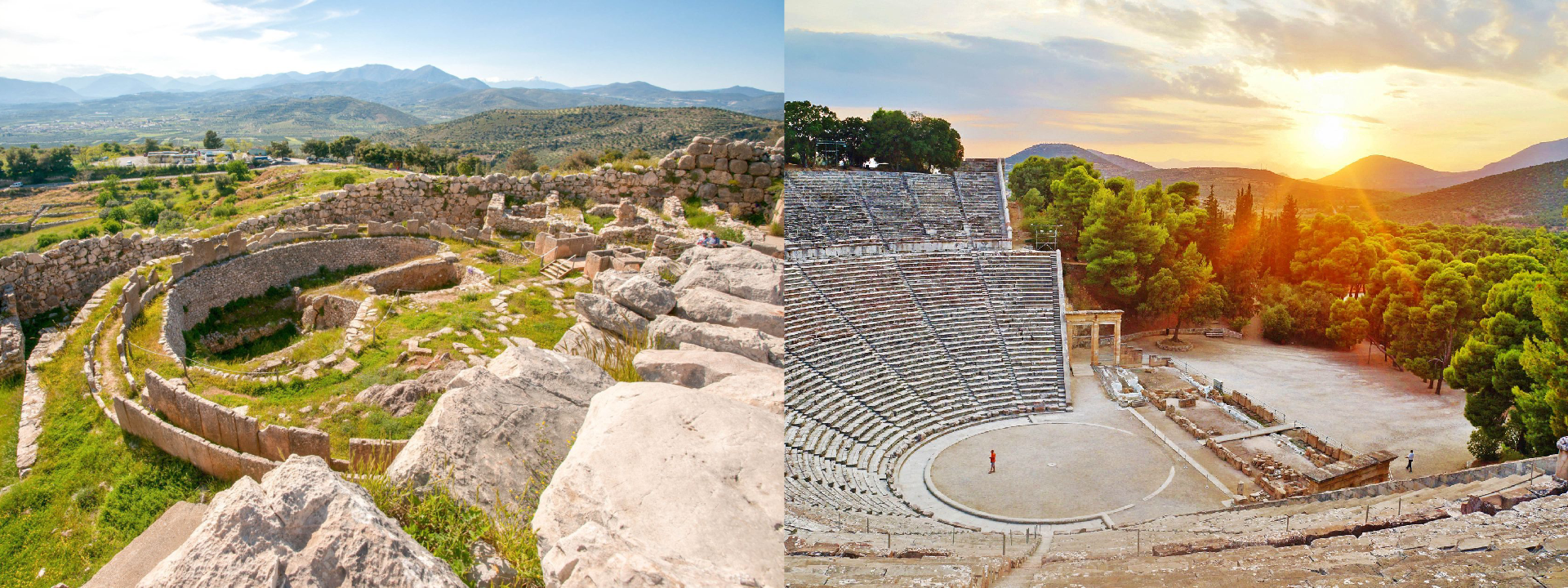
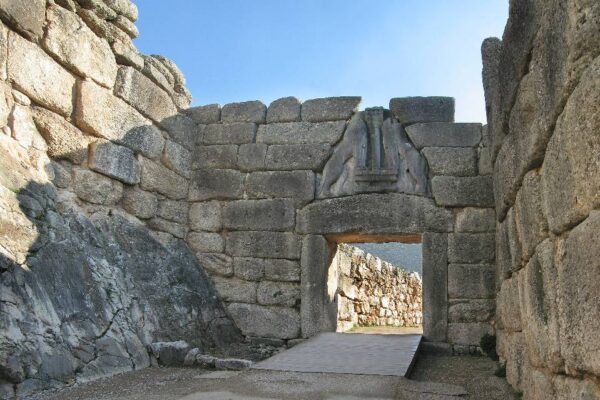
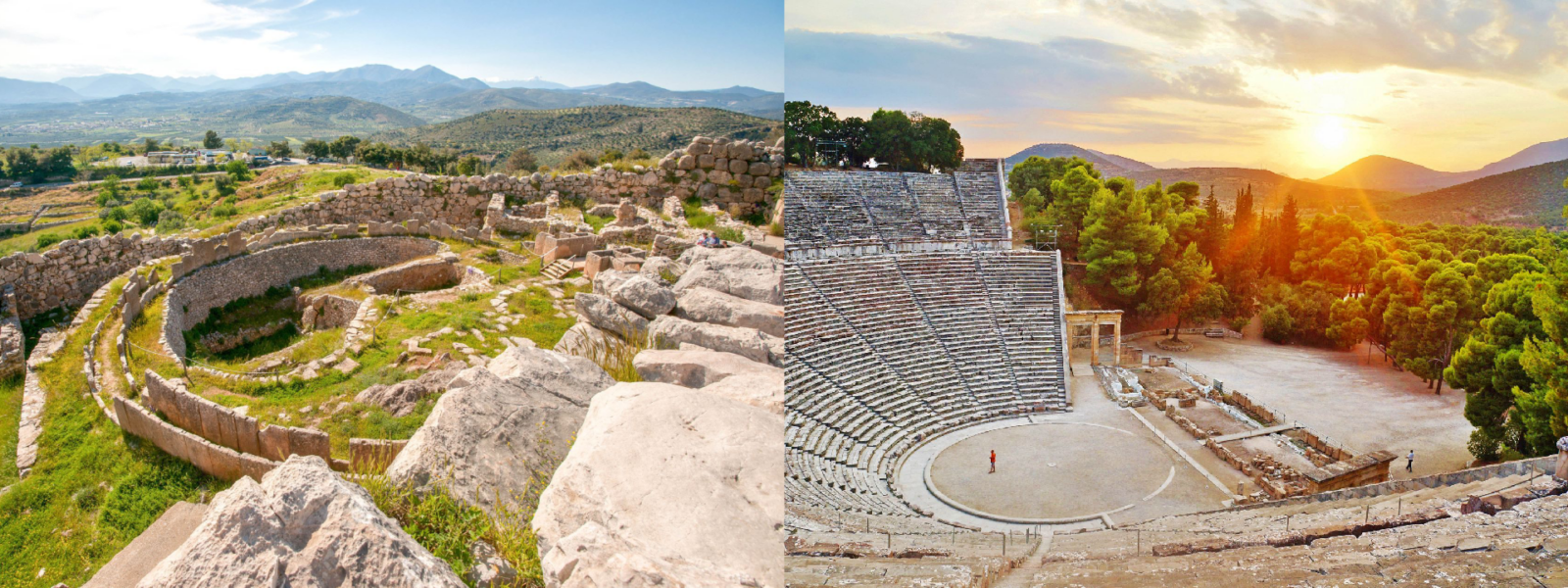
Mycenae is one of Greece’s most famous archaeological sites, known for its impressive Lion Gate, royal tombs, and remnants of the ancient citadel, offering a glimpse into the Mycenaean civilization. Nearby, Epidavros is celebrated for its ancient theater, renowned for its extraordinary acoustics, and its sanctuary of Asclepius, the god of healing. Visiting both sites allows travelers to experience the richness of ancient Greek history, combining monumental architecture, cultural heritage, and stunning Peloponnesian landscapes in a single itinerary.
The best time to visit Mycenae and Epidavros is spring (April–June) or autumn (September–October), when the weather is mild and the sites are less crowded. Summers can be very hot, making sightseeing less comfortable, while winter is quieter but some tourist services may be limited. Visiting during the shoulder seasons allows you to enjoy both the ruins and the surrounding landscapes at a relaxed pace. It’s also ideal for photography and exploring without the peak-season crowds.
How much time do I need?
To explore Mycenae and Epidavros properly, plan for 1–2 days. One day is usually enough to visit Mycenae’s ruins, including the Lion Gate, royal tombs, and the citadel. Another half to full day allows you to explore Epidavros, see the ancient theater, and enjoy the sanctuary of Asclepius. This schedule gives enough time to appreciate both sites without rushing.
What should I wear?
When visiting Mycenae and Epidavros, wear comfortable walking shoes because the terrain can be uneven and rocky. Light, breathable clothing is best in spring and summer, while a jacket may be needed in cooler months. Don’t forget a hat, sunglasses, and sunscreen to protect yourself from the sun. Bringing a small water bottle is also recommended, especially during warm days.
What should I not miss?
When visiting Mycenae and Epidavros, don’t miss the Lion Gate and the royal tombs at Mycenae, which are iconic highlights of the site. At Epidavros, make sure to see the ancient theater and experience its incredible acoustics. Exploring the sanctuary of Asclepius adds insight into ancient Greek medicine and religion. Finally, take time to enjoy the scenic Peloponnesian landscapes surrounding both sites.
Is Mycenae-Epidavros safe?
Yes, Mycenae and Epidavros are very safe for visitors. Both sites are popular with tourists, and normal precautions like watching your belongings are enough. The paths and walking areas are generally well-maintained, though some uneven surfaces exist. Overall, travelers can explore comfortably and enjoy the historical sites without concerns.
Can I combine Mycenae-Epidavros with other destinations?
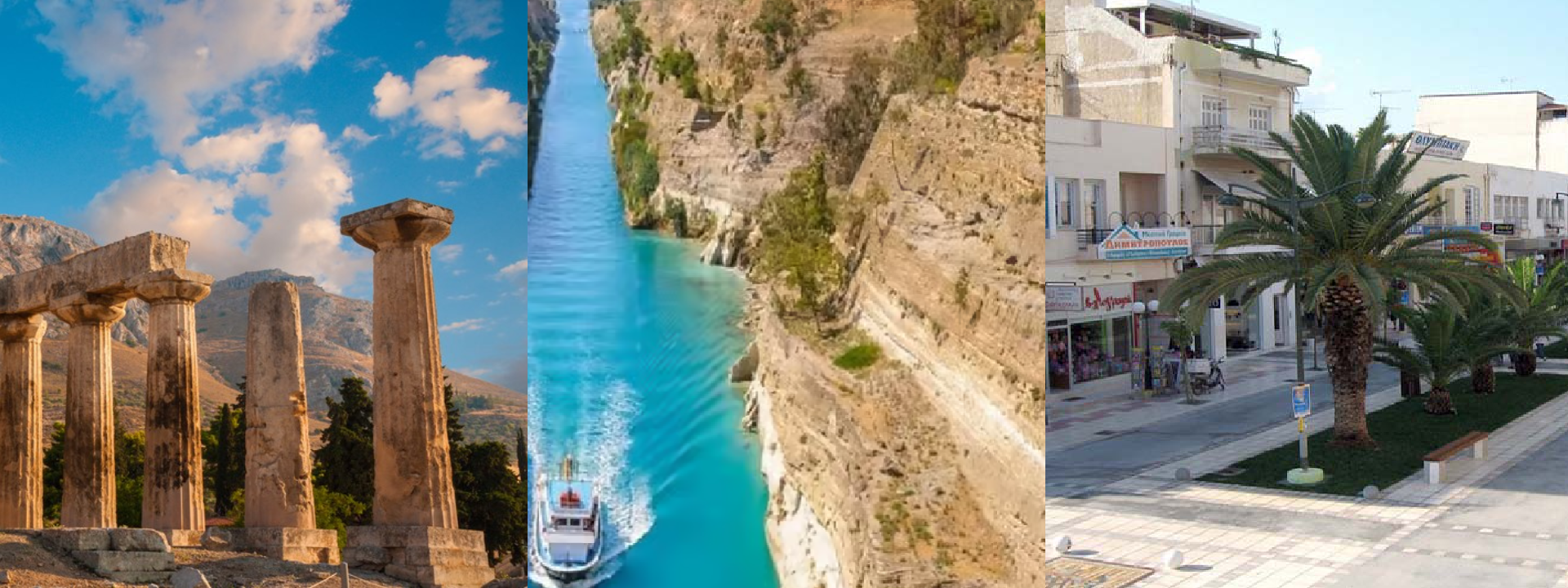
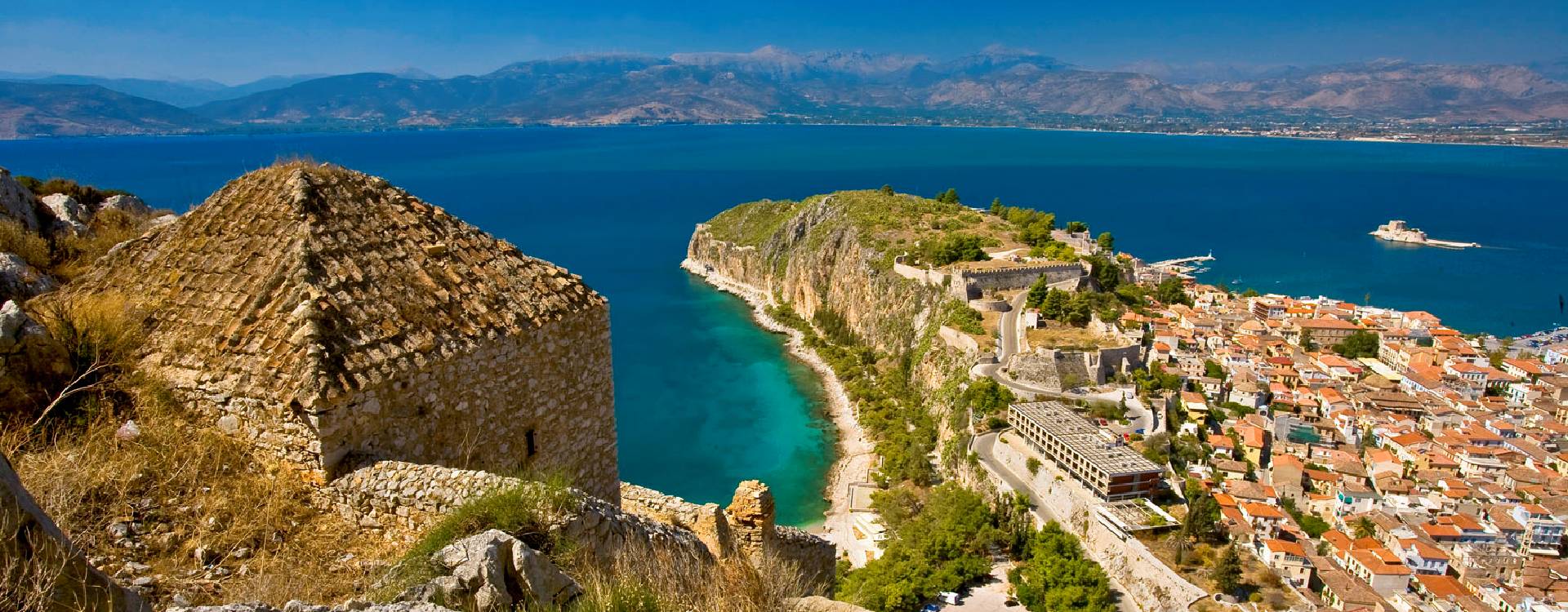
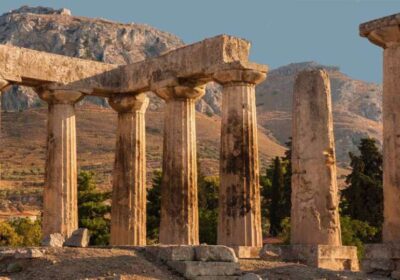
Yes, you can easily combine Mycenae and Epidavros with nearby destinations. Many travelers pair them with Nafplio, which is a charming seaside town with Venetian architecture. You can also include Ancient Corinth for a full Peloponnesian history itinerary. This makes it easy to experience ancient sites, scenic towns, and coastal views in one trip.